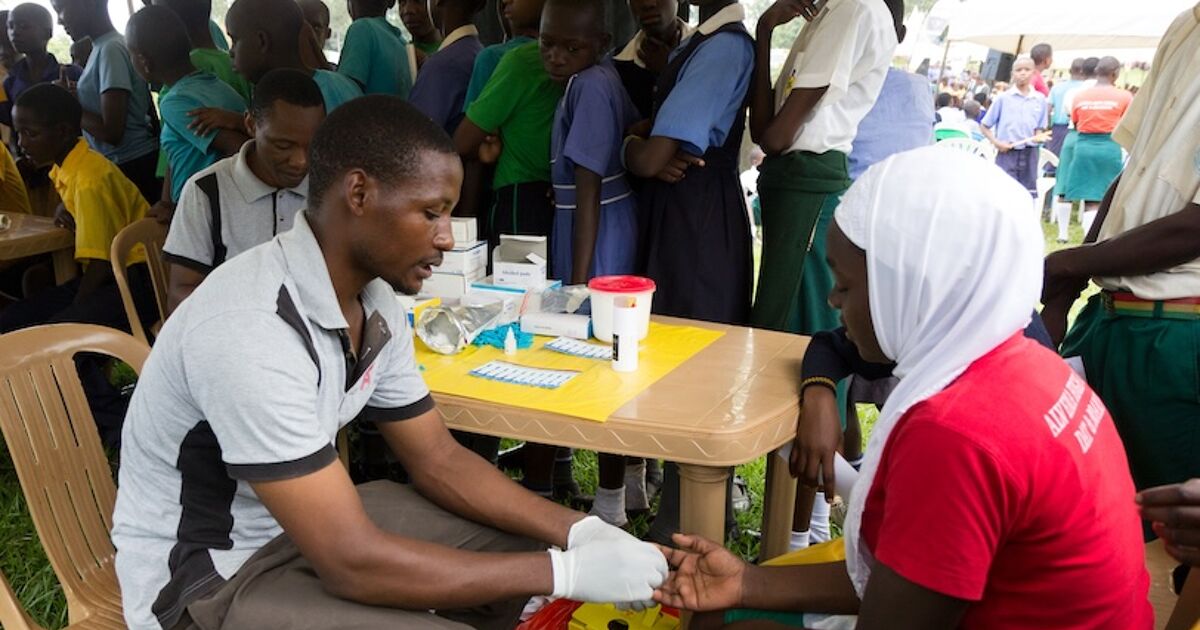
Donald Trump’s return to the White House and his administration’s policies have had a devastating impact on the LGBTQ+ community, raising concerns about the future of LGBTQ+ rights globally, especially in Africa, where U.S. aid has provided vital support for LGBTQ+ people who are subject to harsh legal and social discrimination.
Just four days into his new administration, President Trump initiated a 90-day pause on nearly all foreign assistance programs. Consequently, several U.S.-funded organizations that offer free healthcare and support to LGBTQ+ individuals globally received notices to temporarily suspend their activities, halt all program operations, and refrain from any related expenditures during this period.
Related
Donald Trump’s freeze on foreign aid puts 500,000 children’s lives at risk
Secretary of State Marco Rubio blamed aid recipients for “deliberately sabotaging it” as he was accused of “an alarming lack of compassion.”
A week later, LGBTQ+ organizations worldwide were compelled to shut down programs, lay off staff, suspend vital research and advocacy efforts, and turn away beneficiaries from essential services.
Insights for the LGBTQ+ community
Subscribe to our briefing for insights into how politics impacts the LGBTQ+ community and more.
Subscribe to our Newsletter today
These cuts, along with a broader rollback of human rights protections and the reinforcement of anti-LGBTQ rhetoric, are already having serious consequences for the LGBTQ+ community.
During his previous presidency, Trump’s administration significantly rolled back protections for LGBTQ+ individuals and proposed policies that negatively impacted global health initiatives. The administration attempted to cut funding for the U.S. President’s Emergency Plan for AIDS Relief (PEPFAR) by $1 billion. Although this reduction was blocked by Congress, the administration still introduced policies that compromised the overall effectiveness of PEPFAR.
Upon his re-election, with a more empowered conservative base and a Republican Party that has increasingly taken anti-LGBTQ+ stances, Trump cut funding for PEPFAR. This program has been one of the most successful global health initiatives, saving millions of lives and helping to combat HIV/AIDS in low-income countries, especially in Africa and the Caribbean.
Launched in 2003 by President George W. Bush, PEPFAR funds HIV prevention, treatment, and care by ensuring access to antiretroviral therapy (ART), reducing mother-to-child transmission, and supporting community-based programs that target key populations and marginalized individuals, including LGBTQ+ individuals and sex workers.
Dr. Chike, a Nigerian epidemiologist, describes the loss of PEPFAR funding as a recipe for disaster that could destroy years of progress made in Africa against HIV/AIDS.
“Africa is facing significant challenges in the health sector, particularly in managing diseases like AIDS, one of the oldest and most resistant diseases in the world,” Chike tells LGBTQ Nation. “This situation has compelled us to seek foreign aid.”
“For years, we’ve depended on PEPFAR to help us tackle HIV and have made significant progress over the years and saved millions of lives,” he added. “Watching it being ripped away from us is just sad and made us realize how volatile depending on foreign aid was. It’s sad it eventually came to this.”
Two weeks into the new administration, multiple recipients of U.S. funding began to receive notifications about the conclusion of their funding agreements from the U.S. government, effectively halting their U.S.-backed programs. The suspension of foreign assistance, along with ongoing efforts to restructure the U.S. Agency for International Development (USAID), ahs notably influenced civil society organizations and development initiatives spanning various sectors.
Trump also reinstated the Global Gag Rule, a regressive policy that blocks U.S. federal funding for non-governmental organizations providing abortion counseling. The policy has raised concerns over its impact on global health and human rights. Its reinstatement may have significant implications for broader health services, including those focused on HIV prevention. The rule and cuts to international aid have created challenges for health programs.
Trump’s allies in Congress, especially social conservatives, have claimed that PEPFAR funds are being used to promote LGBTQ+ rights under the pretense of HIV prevention. This assertion is largely unfounded but has gained support among Republican lawmakers who oppose any aid that encourages LGBTQ+ inclusion.
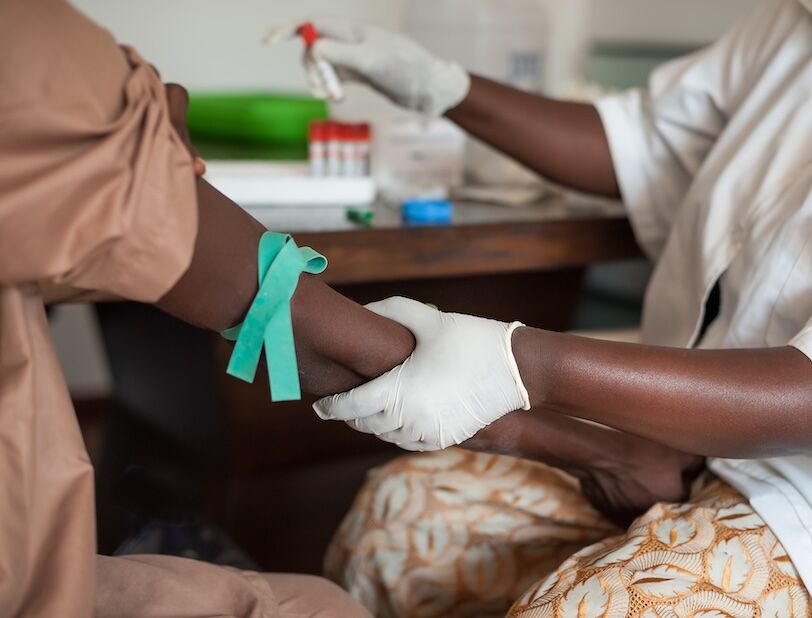
For many LGBTQ+ individuals in Africa, PEPFAR has been more than just a source of funding; it has acted as a vital safety net. In countries where same-sex relationships are criminalized and healthcare discrimination is prevalent, PEPFAR-supported programs have been essential for providing HIV prevention, treatment, and advocacy efforts to marginalized communities.
Chima, a Nigerian activist and resident medical officer in a U.S.-funded clinic, told LGBTQ Nation that managing the chaos and panic triggered by funding cuts has been challenging.
“Over the past few weeks, we have been working to reassure people and help them stay calm, assuring them that everything would be fine. It was truly heartbreaking to see many individuals come here in tears, asking if they were going to die because of the pulled funding,” Chima said.
“At first, we were instructed to suspend our services and turn away clients. Many staff members were laid off, leaving me as one of the few who remain. Despite this, we are committed to distributing the available antiretroviral medications to those in need because these medications are life-saving, and we cannot hold them back” he added.
“The main concern we have now is uncertainty regarding the new delivery of antiretroviral supplies. Once the current batch runs out, we may have to shut down operations,” he said. “Additionally, our HIV prevention efforts have been severely impacted, as our parent board has removed all the pre-exposure prophylactics [PrEP] we previously had, so we can no longer offer it.”
Multiple Organizations that serve key populations — such as men who have sex with men (MSM), transgender individuals, and sex workers — have depended on PEPFAR funding to establish safe spaces, offer testing and treatment, and train healthcare workers to provide non-discriminatory services.
“It was truly heartbreaking to see many individuals come here in tears, asking if they were going to die because of the pulled funding.”
Chima, a Nigerian resident medical officer in a U.S.-funded clinic
The Trump administration’s conservative stance on LGBTQ+ issues raises concerns that any remaining PEPFAR funds could be redirected away from initiatives that support these key populations. This could mean outright defunding of organizations that work with key populations most affected by HIV/AIDS, leaving LGBTQ+ Africans without access to life-saving treatment and support.
A memo from the State Department’s Global Health Security and Diplomacy program states that individuals other than pregnant and breastfeeding women who may be at high risk of HIV infection — such as LGBTQ+ individuals, sex workers, or those who were previously on a PrEP regimen — will not be able to access PEPFAR-funded PrEP during the pause in U.S. Foreign Assistance or until further notice.
Human rights groups have also reported that U.S. conservative are pushing for stricter conditions on U.S. aid — including those that target marginalized groups under the label of diversity, equity, and inclusion (DEI) — potentially barring funds from reaching any programs that serve LGBTQ+ individuals. Instead, funding may prioritize programs that align with evangelical and conservative religious ideologies that further marginalize LGBTQ+ people.
Sandra, a Ghanaian activist, informed LGBTQ Nation that U.S. evangelicals are celebrating the cuts because it supports their mission.
“For years, U.S. Evangelicals have operated in Africa, promoting anti-LGBTQ sentiments by influencing legislation and proposing harsh bills — thanks to American conservative movements that heavily funded them with millions of dollars to propagate homophobia in Africa after losing relevance in the West,” Sandra said. “So It makes perfect sense that they are so pleased with our demolition.”
“They have persistently attacked us for years and spread various lies about us,” she added. “They’ve even claimed that we are pedophiles who are after young kids and want to impose homosexuality on them.”
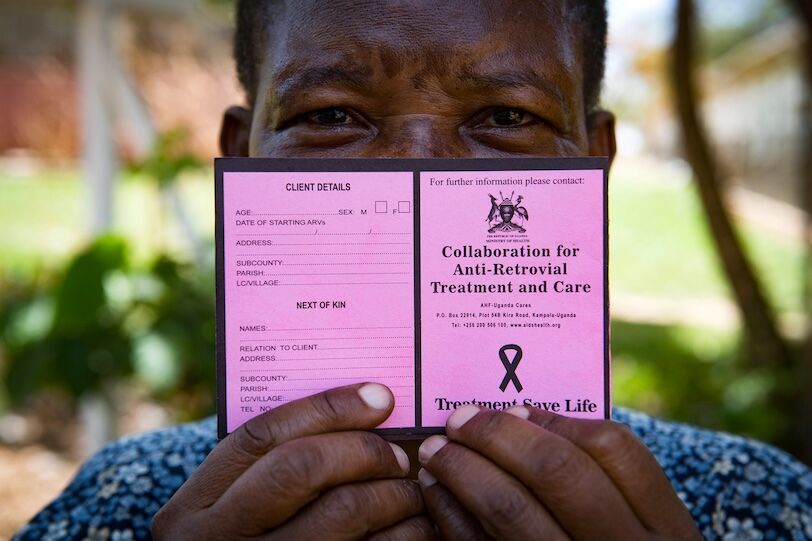
Africa is currently experiencing a concerning increase in anti-LGBTQ+ legislation. Uganda’s Anti-Homosexuality Act imposes severe penalties, including life sentences and the death penalty for same-sex relationships. As a result, many LGBTQ+ individuals have been driven underground, making it nearly impossible for them to access medical care. In addition, countries like Ghana, Nigeria, and Kenya have intensified their crackdowns on LGBTQ+ communities, partly influenced by right-wing U.S. Christian groups exporting anti-LGBTQ+ rhetoric.
Without the support of PEPFAR, organizations that provide discreet and safe HIV care for LGBTQ+ individuals in hostile environments will have a difficult time operating. Many of these organizations already face harassment from authorities and restrictions on foreign funding. The loss of PEPFAR funding will accelerate the closure of clinics, reduce outreach programs, and push LGBTQ+ individuals into unsafe health practices, which could lead to a resurgence of HIV infections.
U.S. policies may be seen by many governments as support for their anti-LGBTQ+ actions. The Trump administration’s stance could encourage these governments, increasing discrimination and limiting healthcare availability. LGBTQ+ individuals in countries with harsh anti-LGBTQ+ laws often avoid seeking healthcare due to fears of arrest or being outed. PEPFAR-funded clinics have traditionally provided a rare haven; however, with funding cuts, these options have now vanished.
Thando, a South African man living with HIV, expressed his disappointment regarding the recent sanctions and aid cuts imposed by Trump against South Africa.
“For the past 10 years since testing positive for HIV, PEPFAR has been my lifeline and has even helped me achieve an undetectable status. It terrifies me that my decade-long progress could be dismantled by a single stroke of a pen. What’s even scarier is not knowing if this issue will ever be resolved,” the 36-year-old said.
“It terrifies me that my decade-long progress could be dismantled by a single stroke of a pen. What’s even scarier is not knowing if this issue will ever be resolved.”
Thando, a 36-year-old South African man living with HIV
Another HIV-positive Nigerian man, Philip, said he started rationing his medication since his clinic was shut down.
“It’s unbelievable how a drug that was widely available and completely free just a month ago is now scarce and being sold illegally at outrageous prices,” the 25-year-old said. “People are being charged two hundred thousand naira ($135 USD) for a 30-day supply of pills. Many individuals can’t afford it.”
“Fortunately, I had three months’ worth of medication left before my clinic closed,” he continued. “I decided to start rationing my meds, taking one every two days instead of one daily. I realize this isn’t ideal, but I have limited options left. Our homophobic government will gladly watch us die than lift a finger to help us. Now the new president of the alleged free world and a ‘pro-lifer’ equally hate us and have left us to perish.”
The consequences of these policies will be severe. Over 25 million people in sub-Saharan Africa are living with HIV, representing nearly 60% of the global epidemic. Although progress has been made in reducing infections and increasing ARV coverage, halting funding will create gaps in treatment access, leading to higher transmission rates, drug resistance, and increased HIV-related deaths.
The combination of PEPFAR cuts, the rise of anti-LGBTQ policies, and the broader rollback of global human rights protections under Trump’s administration presents a dire situation for Africa’s LGBTQ+ community and the fight against HIV/AIDS. With millions of lives at stake, the fight to preserve PEPFAR and protect LGBTQ+ rights in Africa has never been more urgent.
Subscribe to the LGBTQ Nation newsletter and be the first to know about the latest headlines shaping LGBTQ+ communities worldwide.