 November 27 2025, 08:15
 The global fight to prevent new HIV cases by 2030 is facing its most significant setback in decades, according to the UN’s latest annual report.
Experts warned the sudden funding cuts to international HIV prevention schemes over the past year could result in over 3.3 million new HIV infections over the next five years.
Many countries, including the US, France, the UK, and Germany, have proposed or enacted spending cuts to numerous prevention schemes created to end new transmissions by 2030.
The abrupt reductions include president Donald Trump’s executive order rescinding federal funding for numerous HIV research schemes, as well as the UK government’s plans to cut funding for international aid programmes.
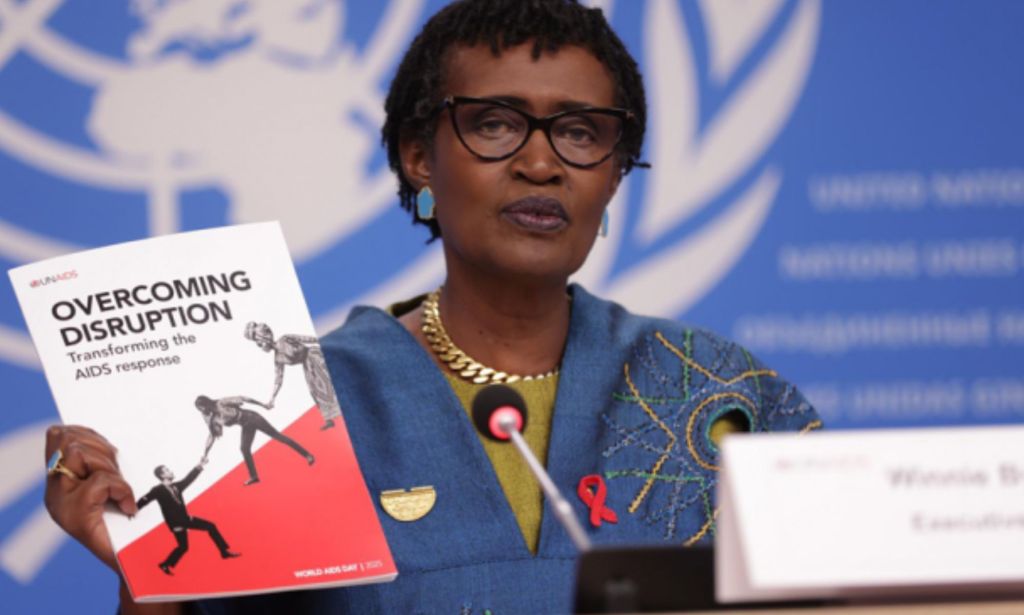
The UN’s global HIV prevention programme, UNAIDS, warned a lack of “global solidarity” would send “shockwaves” through low and middle-income countries heavily affected by HIV.
Its latest report on the global response to HIV, published on Tuesday (25 November) ahead of World AIDS Day 2025, claimed external health assistance could drop by 30-40 per cent before the end of the year.
Winnie Byanyima, UNAIDS executive director, said the projected cuts risk decimating the progress “we fought so hard to achieve”.
“Behind every data point in this report are people – babies and children missed for HIV screening or early HIV diagnosis, young women cut off from prevention support, and communities suddenly left without services and care,” she said. “We cannot abandon them. We must overcome this disruption and transform the AIDS response.”
‘What we need now is political courage,’ UN experts say
Major reductions in preventative medications such as PrEP risks creating a “growing protection gap” which could cause millions of new infections in the following years.
While community-led organisations, which UNAIDS describe as the “backbone of the HIV response”, have helped to mitigate the potential consequences of the cuts, maintaining international funding remains “critical” in combatting the impact.
Several countries, including Nigeria, Uganda, South Africa, and Tanzania, have all committed to increasing domestic investments for HIV services. UNAIDS says it is working with more than 30 countries to accelerate national sustainability plans.
“We know what works – we have the science, tools, and proven strategies,” Byanyima said. “What we need now is political courage. Investing in communities, in prevention, in innovation and protecting human rights as the path to end AIDS.”
At least 40.8 million people are living with HIV worldwide, with 1.3 million new cases in 2024. An estimated 9.2 million people have not accessed treatment.
UNAIDS urged major economic powers to “reaffirm” their commitment to fighting HIV, urging them to invest in innovative research schemes and ensuring prevention options are accessible and afforable.
“After decades of struggle, the global HIV response was within reach of its goal of ending AIDS as a public health threat by 2030,” it said in a statement. “The world has come too far—and achieved too much—to allow progress to unravel at this moment of historic opportunity.”
The post HIV prevention sees the worst setback in decades, UN report warns appeared first on PinkNews | Latest lesbian, gay, bi and trans news | LGBTQ+ news.