 October 24 2025, 08:15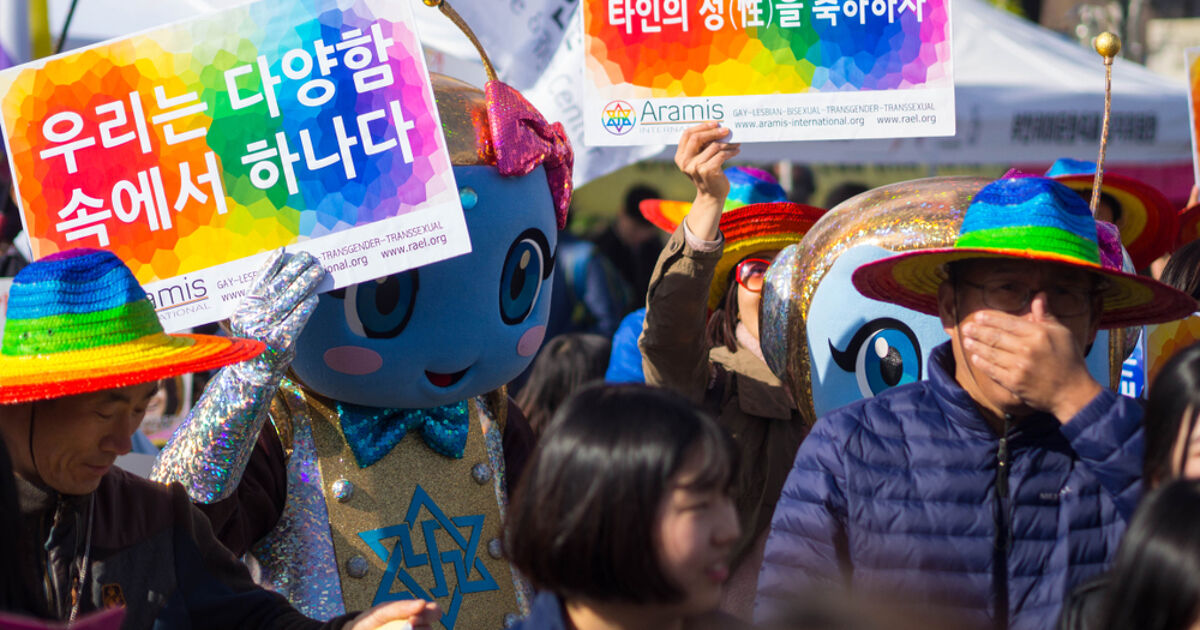
The South Korean census will allow same-sex couples to identify themselves as spouses for the first time in a move LGBTQ+ activists have praised as a significant step toward equality.
The census is conducted every five years in the country and kicked off this week, with the Ministry of Data and Statistics reportedly confirming that committed same-sex couples can now check “spouse” or “cohabiting partner.” In the past, doing so would cause a form to be rejected or marked with an error, The Straits Times explained.
Related
Drag Race star Kim Chi says her new middle grade novel embodies “all things beautiful & queer”
While homosexuality is not criminalized in the country, same-sex marriage remains illegal. There are also no anti-LGBTQ+ discrimination protections, and according to Equaldex, only 23% of the public fully supports LGBTQ+ people being open about who they are.
Despite South Korea’s portrayal in its global entertainment industry as modern and gay-friendly, the country has long tolerated LGBTQ+ discrimination and, in a 2020 report, was ranked among the least gay-inclusive countries in the Organization for Economic Cooperation and Development.
Never Miss a Beat
Subscribe to our newsletter to stay ahead of the latest LGBTQ+ political news and insights.
Subscribe to our Newsletter today
The absence of progress can be traced to lobbying efforts by The United Christian Churches of Korea and other church associations, and to very public hate campaigns by loosely affiliated groups like Anti-Homosexuality Christian Solidarity, who have deep-rooted connections to the country’s political class.
Efforts to pass a broad anti-discrimination law through the legislature have failed many times, but hope was renewed last year when the country’s liberal party took a majority of seats in the legislature.
Advocates have praised the census change as a critical step forward.
Rainbow Action Korea, a coalition of 49 LGBTQ+ groups, called it a “historic decision” and “the first step towards having LGBTQ+ citizens fully reflected in national data.”
“We believe this will lead to further change,” the country’s Justice Party also said in a statement to The Straits Times. “The day will come when even transgender citizens are visible in national statistics.”
While LGBTQ+ rights have a long way to go in South Korea, advocates scored another major victory in the summer of 2024, when the nation’s top court ruled to uphold the rights of people in same-sex relationships, giving them the same rights as people in heterosexual relationships.
The landmark ruling states that benefits from South Korea’s National Health Insurance Service (NHIS) can be claimed by people in same-
Subscribe to the LGBTQ Nation newsletter and be the first to know about the latest headlines shaping LGBTQ+ communities worldwide.