An ambitious ballot initiative to amend the Ohio Constitution to protect marriage equality in the state and add several new protected classes to Ohio’s anti-discrimination laws has been split in two by the Republican-dominated Ohio Ballot Board.
The decision means proponents of the proposed constitutional amendment will need to collect double the number of signatures, nearly a million in total, to get two measures on the ballot in time for the November 2026 election.
Related
Obergefell & Hodges’ unlikely friendship: The story of a marriage crusader & a reluctant defendant
Rick Hodges didn’t want to defend discrimination. Here’s what the world could learn from their friendship.
If approved by voters, the Ohio Equal Rights Amendment would prohibit state and local government from discriminating based on “race, color, creed or religion, sex, sexual orientation, gender identity or expression regardless of sex assigned at birth, pregnancy status, genetic information, disease status, age, disability, recovery status, familial status, ancestry, national origin or military and veteran status.”
Never Miss a Beat
Subscribe to our newsletter to stay ahead of the latest LGBTQ+ political news and insights.
Subscribe to our Newsletter today
The proposal would also overturn a 2004 vote that defined marriage in Ohio as between one man and one woman, dormant since 2015 with the U.S. Supreme Court’s decision in Obergefell v. Hodges granting a nationwide right to marriage equality.
Amendment proponents want to wipe Ohio’s marriage equality ban from the books in anticipation of attempts to overturn Obergefell, following Justices Clarence Thomas’ and Samuel Alito’s calls for the court to revisit the decision. Jim Obergefell originally filed his case in Ohio against then-public health director for the state, Rick Hodges.
The sweeping Ohio amendment would be an update to the federal Equal Rights Amendment (ERA), which was ratified by the Ohio legislature in 1974 and bans discrimination based on sex. The required three-quarters of U.S. states have approved the ERA, but the amendment has not been added to the U.S. Constitution, following missed deadlines and other disputes.
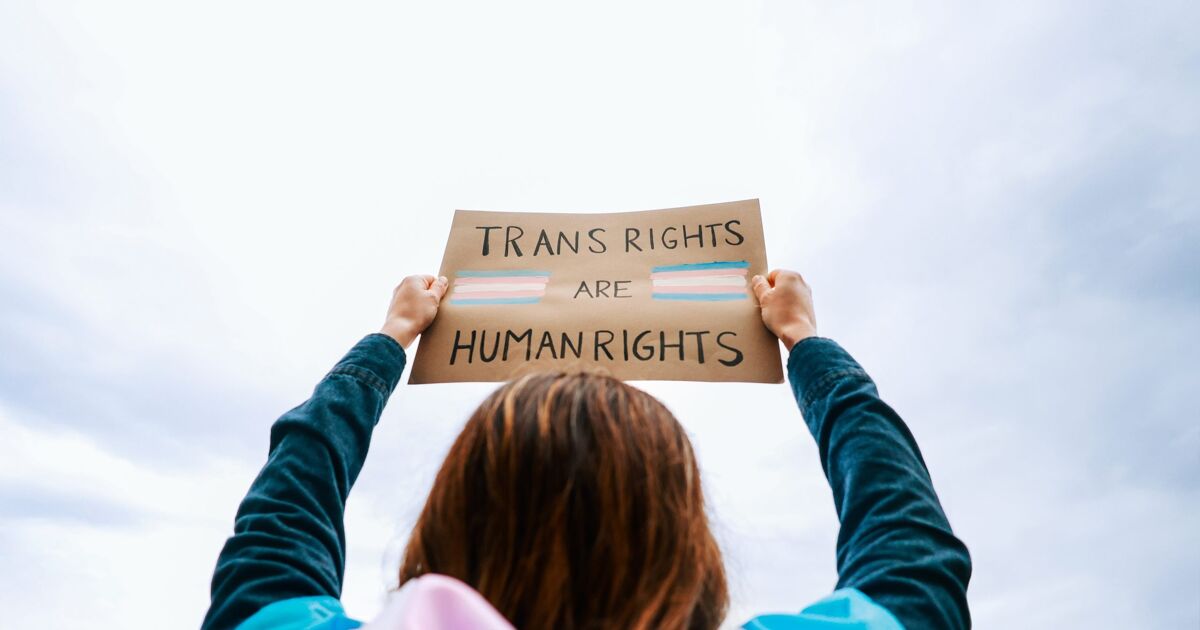
Ohio state Rep. Terrence Upchurch, a Democrat representing Cleveland and a proponent of the amendment, called the Republicans’ vote to split the measure a political ploy designed to thwart transgender protections.
“There’s definitely political will for using trans people to divide Ohioans,” Regula said of the anti-discrimination expansions in the measure. “The hopeful side of me appreciates that they are recognizing the support for same-sex marriage. That’s great. We’ve made progress.”
But, he told the Cincinnati Enquirer, Republicans divided the measure because of politics. “It’s one issue. It’s cut and dry,” he said.
Not all Democrats see it that way.
“Marriage equality has been going strong now for 10 years, and the sky hasn’t fallen. Society hasn’t collapsed,” said out state Sen. Nickie Antonio, the Democrats’ Minority Leader and Ohio’s first and only currently out gay lawmaker.
“What happened is you have families who have standing, whose children can feel good and talk about their families just like every other kid at school, no matter what the configuration of their family is,” Antonio said.
Antonio added that it’s “reasonable to believe” that marriage equality is under threat nationally.
But the Democrat splits with her fellow progressives over the issue of combining new discrimination protections with the marriage equality question.
“While I applaud the spirit of the work that they are trying to do, I just think it’s a real uphill battle that they’re going to be faced with,” she said.
Antonio has introduced the Ohio Fairness Act to prohibit discrimination based on sexual orientation or gender identity in every legislative session since coming to office. The GOP-controlled legislature has repeatedly blocked its progress.
But the senator still believes a legislative fix is the right course to add protections against LGBTQ+ discrimination to Ohio law.
“I struggle with asking the majority of people, the majority of the population, to grant equality by a vote to a marginalized group,” Antonio said. “I will continue to fight for the Ohio Fairness Act, because I think it’s the right thing to do.”
Subscribe to the LGBTQ Nation newsletter and be the first to know about the latest headlines shaping LGBTQ+ communities worldwide.